
Used Car Buying Guide 2026: How to Avoid Scams and Save Money
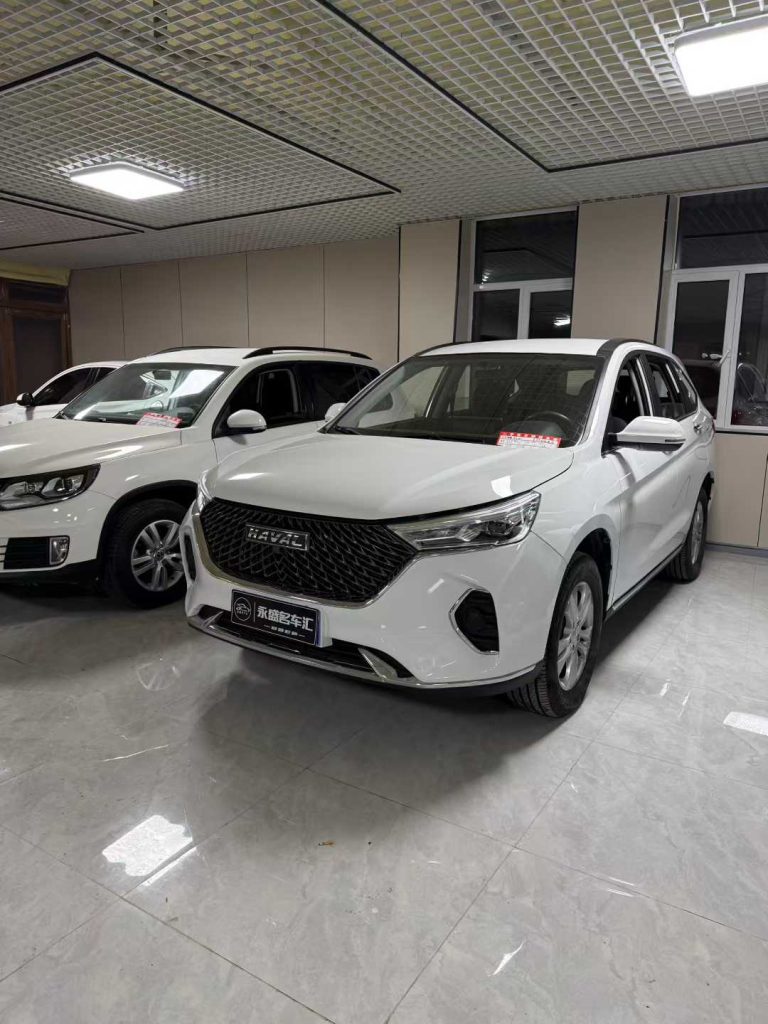
Used cars represent a smart financial choice for countless buyers, offering significant value and slower depreciation. In 2024, China’s used car transaction volume exceeded 19.6 million units, highlighting a massive and mature market. However, navigating information asymmetry and verifying a vehicle’s true condition remain the biggest challenges. This comprehensive 2026 guide will walk you through the entire process—from selection and inspection to finalizing the paperwork—empowering you to make a confident and secure purchase.
Table of Contents
- Why Buy a Used Car?
- 2026 Used Car Market Trends
- Budgeting and Model Selection
- The Essential Vehicle Inspection Checklist
- Paperwork and Transfer Process
- Special Guide to New Energy Used Cars
- Frequently Asked Questions (FAQ)
Why Buy a Used Car?
The primary advantage of a used car is exceptional value. A new vehicle can lose up to 20% of its value the moment it leaves the dealership, a depreciation hit absorbed by the first owner. When you buy used, you bypass this steep initial cost. Furthermore, insurance premiums (especially comprehensive coverage) are often lower, and you avoid paying purchase tax, substantially reducing the initial financial outlay. This makes a quality used car an ideal entry point for first-time buyers or a practical choice for expanding a family fleet.
2026 Used Car Market Trends
The used car market in 2026 is characterized by specific structural trends. Government “trade-in” policies have funneled a large number of well-maintained, 3-6 year old “near-new” cars into the market. New Energy Vehicle (NEV) used car sales surpassed one million units in 2024, with battery health reports (State of Health – SOH) becoming a standard disclosure. Cross-province transactions are also smoother than ever, meaning buyers in cities like Hohhot have access to a truly national inventory of vehicles.
Budgeting and Model Selection
Adopt a “purchase price + preparation cost” model for your budget. Always reserve 5-10% of the car’s price for essential maintenance items like fluid changes, new tires, or brake pads.
- Budget: $4,000 – $8,000 USD Equivalent: Ideal for a first car or city commuter. Reliable models like the Honda Fit, Volkswagen Polo, or Toyota Corolla offer low running costs and high parts availability.
- Budget: $12,000 – $22,000 USD Equivalent: The sweet spot for value. This range opens up 3-5 year old sedans like the Honda Accord or Toyota Camry, or compact SUVs, delivering near-new car quality at a fraction of the price.
- New Energy Vehicles (NEVs): A 3-year-old electric vehicle can often be had for half its original price. The critical factor is verifying the battery’s remaining warranty and State of Health.
The Essential Vehicle Inspection Checklist
Vehicle condition is the paramount concern. Follow the “Records First, Physical Inspection Second” principle.
Verifying Documents and History
Before seeing the car, use a paid history report service or, if possible, a dealership system to check its full maintenance and accident history. Crucially, ensure it has no record of being a salvage title vehicle, flood damage, or major structural repairs. Verify the Vehicle Identification Number (VIN) matches on the registration certificate and the car itself, and confirm there are no outstanding loans or liens against it.
Physical Inspection: Exterior and Interior
- Paint and Body: Use a paint thickness gauge. Original factory paint typically measures 80-150 microns. Any panel reading over 300 microns suggests repair work, warranting closer scrutiny for past accidents.
- Structural Integrity: Inspect the door pillars (A, B, C), frame rails, and radiator support for any signs of uneven welding, cutting, or repair. Factory weld points are uniform.
- Interior Clues: Check for moisture, silt, or corrosion under the carpets, seats, and in the spare tire well—key indicators of flood damage. Compare wear on the steering wheel, driver’s seat bolsters, and pedals to the odometer reading.
Test Drive and Undercarriage
During the test drive, listen for unusual noises on cold start, ensure smooth transmission shifts, and note if the steering feels aligned. If possible, have a mechanic put the car on a lift to inspect the undercarriage for rust, fluid leaks, or damage to suspension components.
Paperwork and Transfer Process
While the process is increasingly digital, attention to detail is critical.
- Sales Contract: The contract must explicitly state the vehicle is “free of major accidents, flood damage, fire damage, and has an accurate odometer.” Define liabilities for breach of contract. Never sign a blank contract.
- Ownership Transfer: Both parties, with their IDs, the registration certificate, and the vehicle license, must go to the local Vehicle Management Office. For inter-province transfers, initiate an electronic transfer application first.
- Costs: Transfer fees are usually based on engine displacement. Clarify upfront who is responsible for these fees.
Special Guide to New Energy Used Cars
For NEVs, the battery is the most important component.
- Battery Health: Request an official or certified third-party battery health report. Focus on the State of Health (SOH) percentage; be cautious of anything below 70-75%.
- Warranty Transfer: Confirm that the manufacturer’s battery and electric powertrain warranty is still valid and fully transferable to you as the new owner.
- Charging Test: During the test drive, use a DC fast charger to confirm the charging speed and power are within normal ranges and that the battery doesn’t overheat.
Frequently Asked Questions (FAQ)
Q: How can I avoid buying a car with a rolled-back odometer?
A: Cross-reference the service history with the wear on the driver’s seat, brake pedal, and steering wheel. Also, check the production date codes on the tires; if the car shows very low mileage but has new tires, it’s a red flag.
Q: What are the emissions standards for importing a used car into Hohhot?
A: Current regulations typically require the vehicle to meet China 5 (Guo 5) emission standards or higher. Before purchasing an out-of-province car, verify its exact standard on the official Ministry of Ecology and Environment website to ensure compliance.
Q: Is financing available for used cars?
A: Yes. Many banks and finance companies offer loans for used cars, though interest rates are generally higher than for new cars. You will need proof of income. Opt for manufacturer-certified financing or major banks, and be wary of high-interest loans from non-bank lenders.
Considering trading in your current vehicle? Learn how to accurately assess its market value first by reading our guide on used car valuation.
For official information on vehicle emission standards and transfer policies, visit the National Vehicle Emission Control Center website (Ministry of Ecology and Environment).